Few countries project a gentler international image than Norway, with its fjord tourism, free-range parenting and electric-vehicle leadership. Behind its pastoral reputation, however, Oslo has spent the past three years tightening the screws on Arctic security. The shift began in 2022 after the beginning of Russia’s full-scale invasion of Ukraine and a rash of unidentified drones over Norwegian offshore rigs, which prompted the government to place the armed forces on high alert and invite NATO partners to patrol more than 9,000 km of under-sea energy infrastructure.
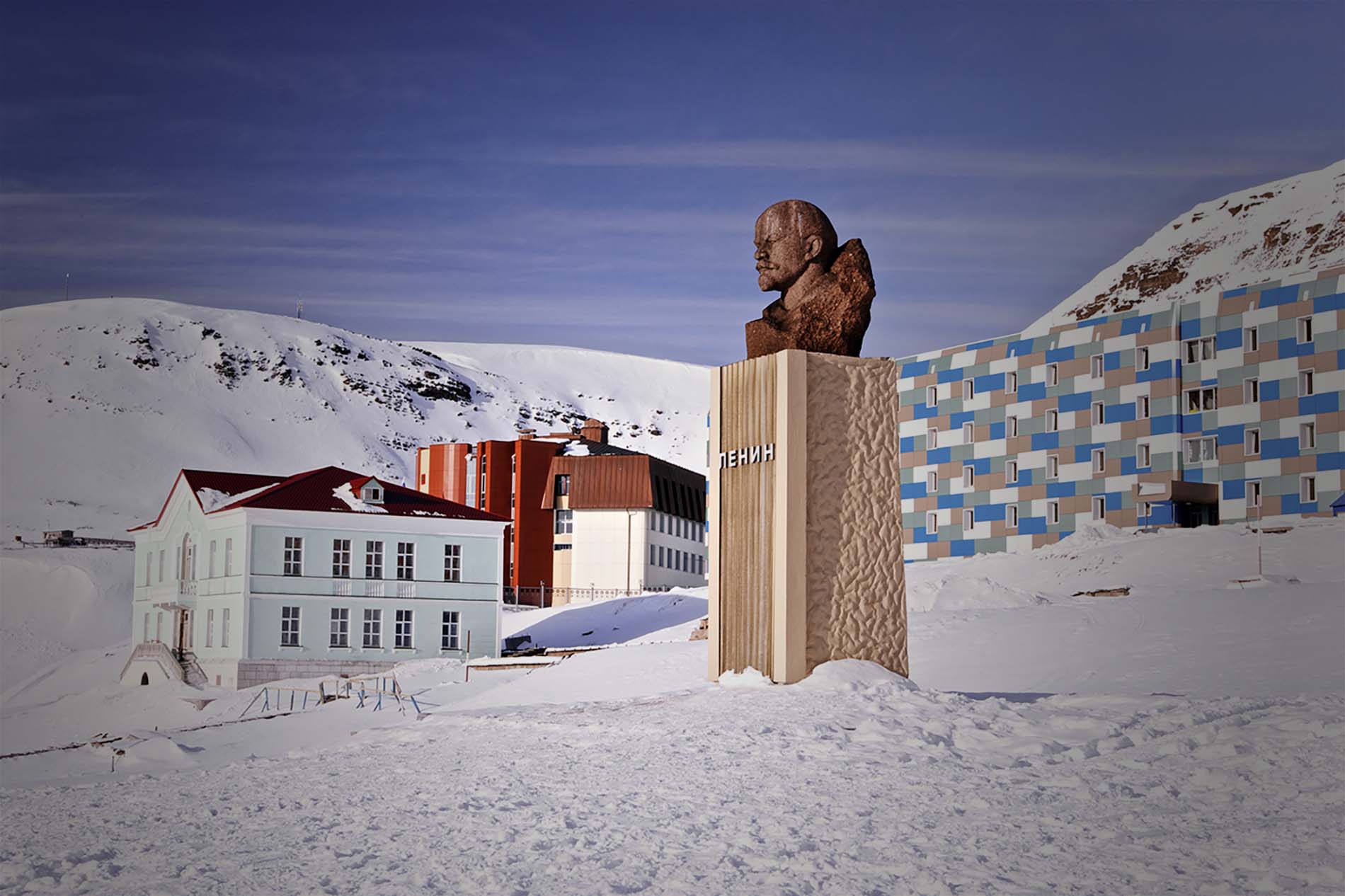
Nowhere has the new vigilance been clearer than on Svalbard. On 1 July 2024 the cabinet invoked national security considerations to block the €300 million sale of Søre Fagerfjord – the last private land parcel on the archipelago – after Chinese investors expressed interest. Although the 1920 Svalbard Treaty grants equal economic rights to all signatories, ministers warned that foreign ownership could “disturb stability in the region and potentially threaten Norwegian interests” and that the sale would be stopped under the National Security Act if foreign ownership was pursued. The decision echoed a 2016 case in which Oslo quietly bought another tract reportedly eyed by Chinese buyers, underscoring a doctrine that strategic terrain must stay under national control.
But in the Baltic Sea and North Sea region, Norway’s turn to hard security significantly strengthens NATO posture at a time when Sweden and Finland are still being integrated into the transatlantic alliance.
Security services say Svalbard is only one front. A joint Nordic public-broadcast investigation in April 2023 revealed a Russian programme that maps critical subsea cables and classifies disguised trawlers as potential “sabotage platforms.” Norway’s Maritime Cyber Resilience Centre warned in June 2025 that hackers may already be able to remotely hijack civilian vessels or disrupt satellite links, prompting further hardening of offshore installations and NATO anti-submarine patrols in Norwegian and North-Sea waters.
Against that backdrop, the government published Norway’s first national security strategy in May 2025, calling the present threat picture “the most serious since the Second World War.” The 60-page document elevates protection of energy infrastructure, Arctic domain awareness and cyber-resilience to core national tasks and labels the Kola Peninsula’s nuclear arsenal a “strategic variable of immediate concern.” Whereas earlier white papers emphasised soft-power mediation, the 2025 strategy introduces a whole-of-society “total defence” concept that fuses military, civilian and private resources; including a new legal guarantee that citizens can pay in cash should digital networks fail.
But security pragmatism has not yet eclipsed Norway’s idealist foreign policy traditions. For more than seven decades, Norway has combined its strategic Atlantic alignment with a distinctive tradition of peace-building. Norway was a founder of the United Nations, and its foreign minister Trygve Lie became the organisation’s first secretary-general in 1946. Since then, it has acted as convenor and guarantor in conflicts from the Middle East (the 1993 Oslo Accords) to Central America, Sri Lanka and, most recently, Colombia’s 2016 peace deal. Oslo’s annual stewardship of the Nobel Peace Prize and its sovereign-wealth-fund-powered ethics policy – selective as it might be – have been used to reinforce its soft-power brand grounded in international law and human rights.
During its 2023-25 chairmanship of the Arctic Council, Oslo managed to keep all eight Arctic states, including Russia, in the room despite the latter’s ongoing war against Ukraine and the additional crisis created by U.S. expressions of interest in buying Greenland. In these circumstances, Foreign Minister Espen Barth Eide called the survival of the Arctic Council itself “a success.” Norway has also stepped forward in the ongoing Gaza crisis: it has criticised selective Western outrage over civilian suffering, it has recognised the State of Palestine alongside Ireland and Spain, and, in November 2024, it tabled a UN General Assembly resolution seeking an International Court of Justice opinion on Israel’s duties toward UNRWA.
But in the Baltic Sea and North Sea region, Norway’s turn to hard security significantly strengthens NATO posture at a time when Sweden and Finland are still being integrated into the transatlantic alliance. Oslo’s hardened stance provides NATO with early-warning radar, submarine choke-points and an on-shore LNG lifeline that replaced Russian gas flows in 2022-23. Yet it also binds Norway more tightly to allied expectations, which could test Oslo’s long-standing policy that bars the presence of foreign military forces in peacetime.
In the span of three years, Norway has moved to a remarkably activist security posture. Its evolution reflects a broader lesson for small states in a turbulent world: soft power travels farther when backed by credible hard guardianship of critical geography and infrastructure. But whether Oslo will keep its reputation as an honest broker while doubling as the Arctic’s front-line sentry is a question that will define Norwegian statecraft for the rest of this decade.
